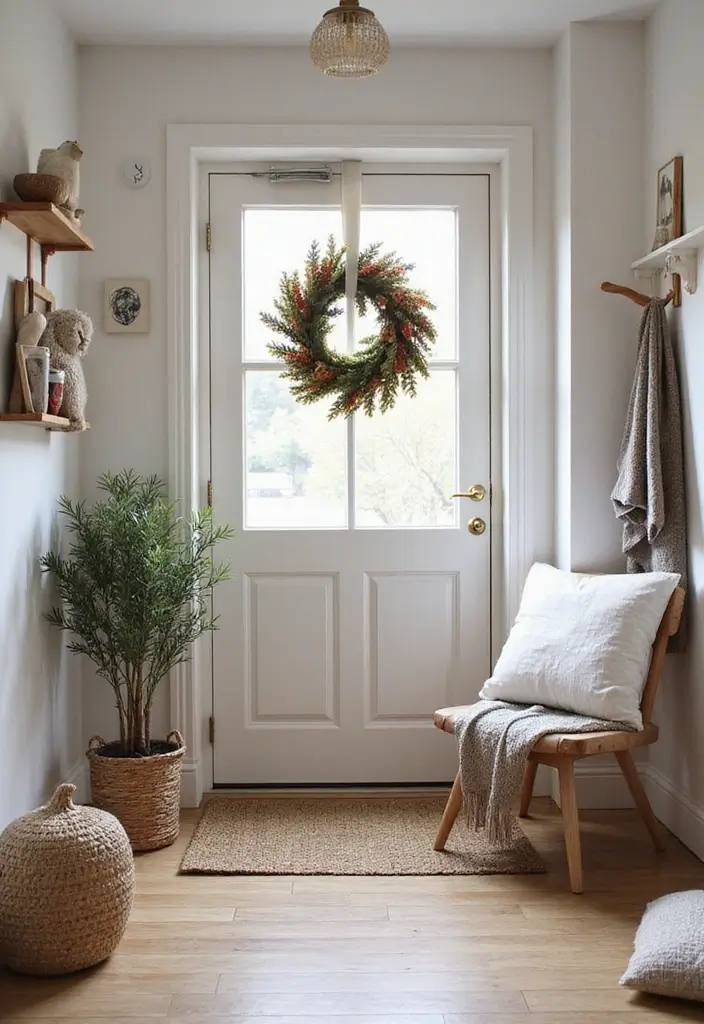
Your entryway sets the tone for your entire home. It’s the first thing you see when you walk in and the last thing you see when you leave. Scandinavian design, known for its simplicity, functionality, and connection to nature, offers the perfect blueprint for creating an inviting entrance. Whether you live in a cozy apartment or a spacious house, these Scandinavian entryway ideas will help you achieve a look that is both stylish and practical. Let’s explore seven ways to infuse Nordic charm into your foyer.
1. Embrace the Power of Neutral Colors
Scandinavian interiors are famous for their light, neutral color palettes. Whites, soft grays, and pale beiges dominate, creating a sense of calm and spaciousness. In an entryway, these colors help bounce natural light around, making even the smallest space feel larger. Start with white walls as a base, then add warmth through wood tones—like a birch console table or oak hooks. Avoid stark contrasts; instead, layer subtle textures such as a sheepskin rug or a woven basket. If you crave a pop of color, opt for muted pastels like sage green or dusty blue in small accessories. This approach keeps the entryway feeling serene and uncluttered, a hallmark of Nordic design.
2. Maximize Natural Light with Strategic Mirrors
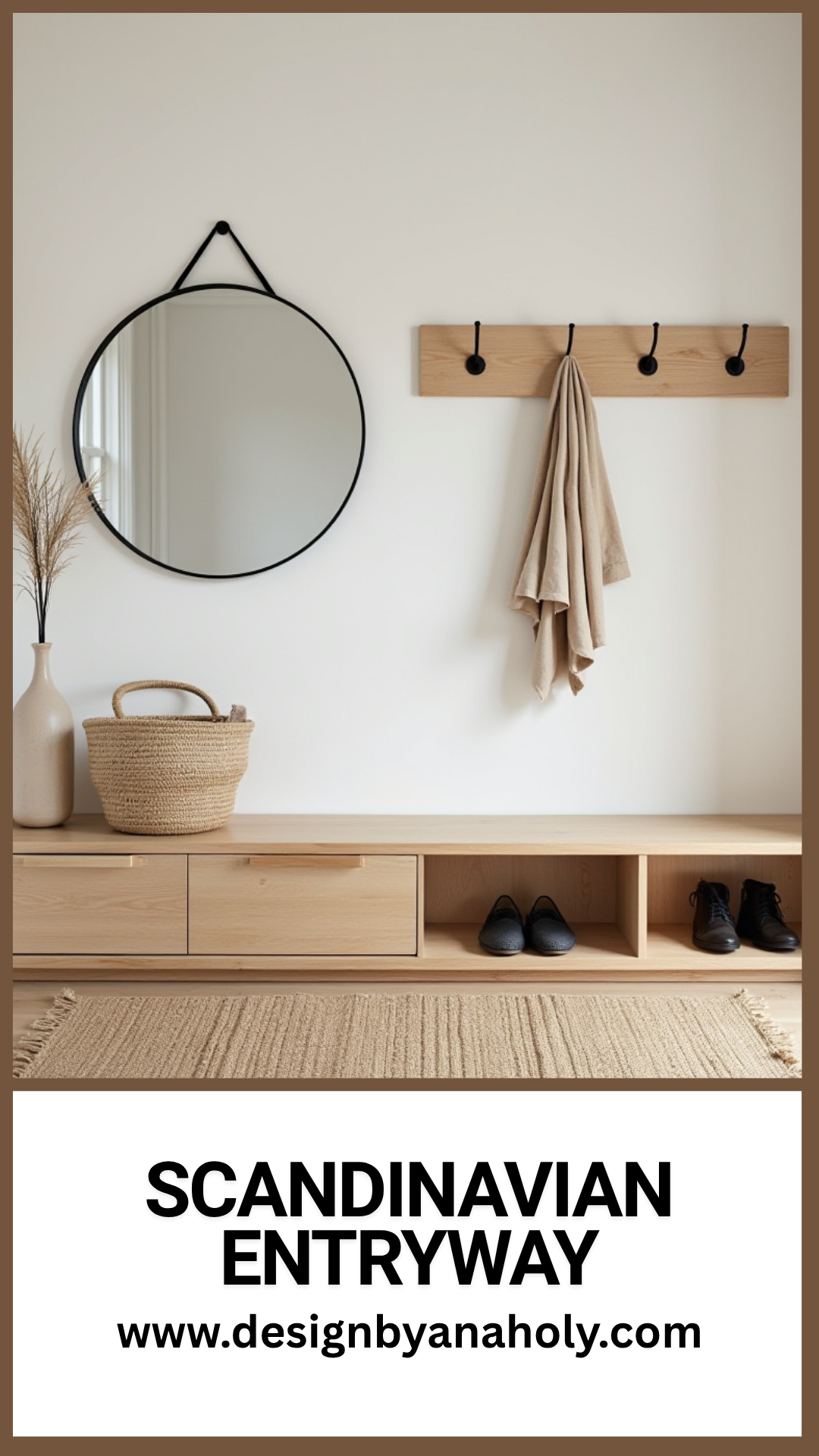
Natural light is a cornerstone of Scandinavian décor. Mirrors are your best friend for amplifying it. Place a large mirror opposite a window or near the door to reflect light and visually double the space. Choose frames in natural wood or simple black metal to stay true to the aesthetic. In narrower entryways, a full-length mirror can also serve as a last-minute outfit check before you head out. For an extra touch, add a small table lamp with a warm bulb to create a cozy glow during darker months. The goal is to make the entry feel airy and bright, even when the sun isn’t shining.
3. Choose Functional Furniture with Clean Lines
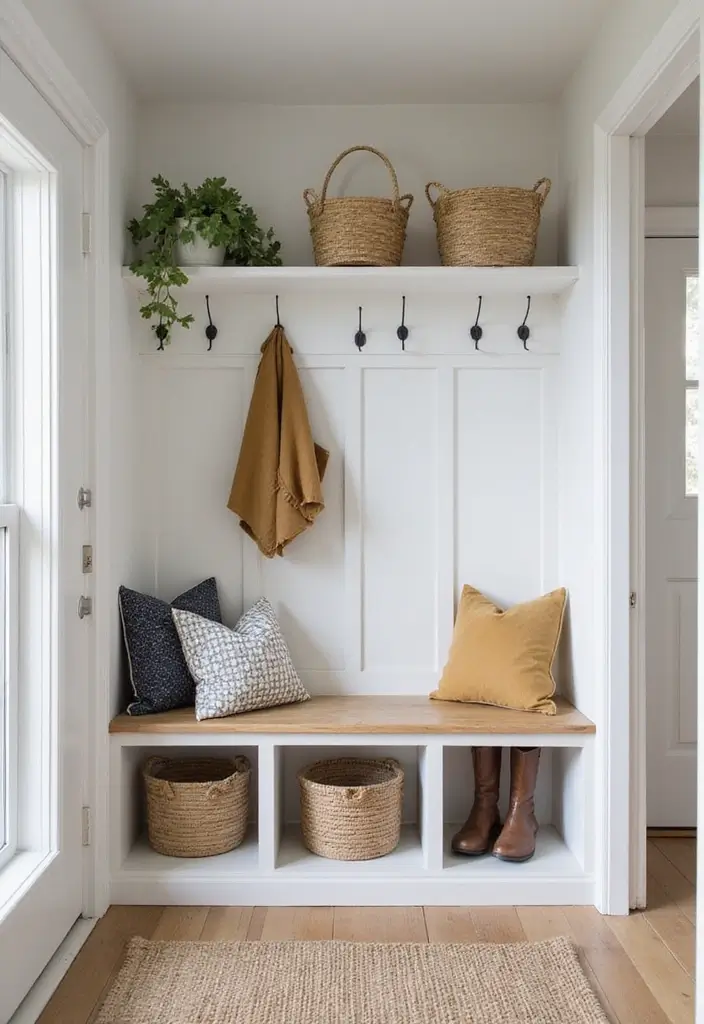
Scandinavian design emphasizes functionality without sacrificing style. In the entryway, every piece of furniture should serve a purpose. A slim bench provides a spot to sit while putting on shoes, while a floating shelf keeps keys and mail organized. Look for pieces with clean, straight lines—no ornate carvings or fussy details. Materials like light wood, metal, and plywood are common. Consider a minimalist shoe cabinet that can be tucked under the bench. The key is to avoid clutter: only include what you need daily. A neat, streamlined entryway makes coming home a peaceful ritual.
4. Incorporate Natural Materials for Warmth
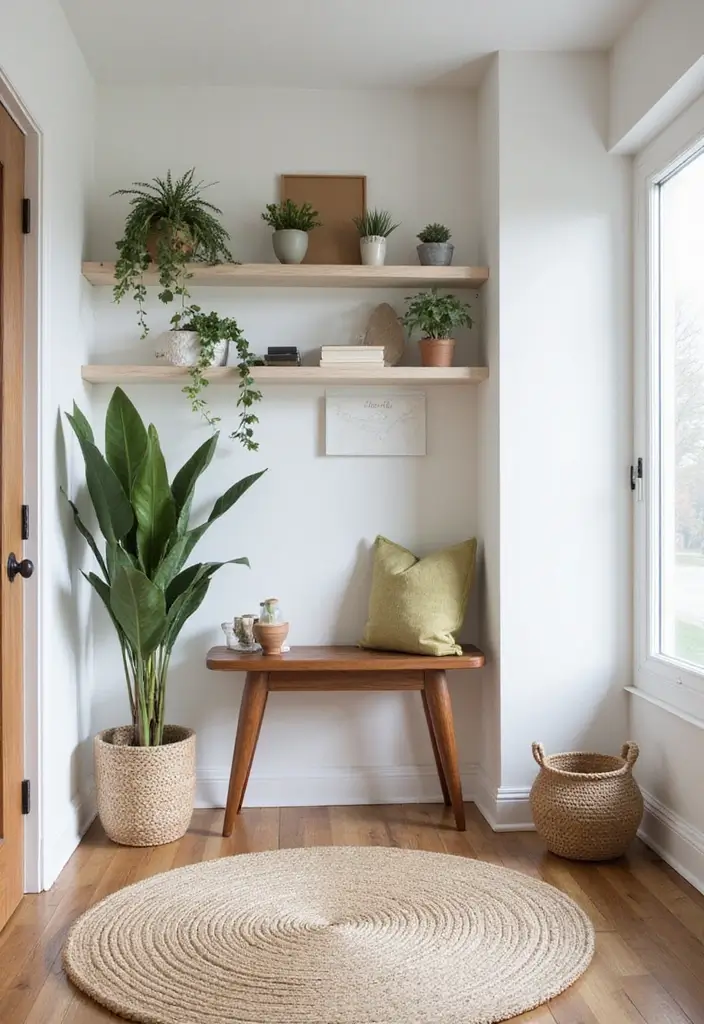
Wood, wool, linen, and stone are the building blocks of Scandinavian interiors. Even in a small entryway, you can incorporate these materials to add texture and warmth. A wooden coat rack, a jute rug, or a stone bowl for keys can make a big difference. Don’t shy away from mixing textures: a smooth ceramic vase next to a chunky knit throw creates visual interest. For floors, consider natural stone tiles or wide-plank wood flooring. If that’s not an option, a wool runner in a neutral tone will soften the space. These materials age gracefully and connect the indoors with the natural world outside.
5. Add Greenery and Simple Decor
A touch of green brings life to any space. In Scandinavian design, plants are used sparingly but effectively. A tall fiddle-leaf fig, a snake plant, or a cascade of pothos on a shelf can instantly freshen the entryway. Stick to simple pots in terracotta, ceramic, or woven baskets. Avoid over-decorating; a single statement plant or a small cluster of succulents is enough. Artwork should also be kept minimal—black-and-white prints, a simple landscape, or a single framed photograph. The decorations should enhance the space without overwhelming it. Remember, the Scandinavian motto is “less is more.”
6. Create Smart Storage Solutions
Entryways often become dumping grounds for shoes, bags, and coats. Scandinavian design tackles this with clever storage that blends into the aesthetic. Closed storage is preferred to hide clutter—think a sleek cabinet with baskets inside. Wall-mounted hooks at different heights allow for hanging jackets and scarves without taking floor space. A shallow console table with drawers can hold gloves and sunglasses. For smaller homes, use vertical space: install a peg rail or a shallow shelf for everyday items. Labels or covered boxes keep things organized. The trick is to have a designated spot for everything, so tidying up takes seconds.
7. Layer Lighting for Ambiance
Proper lighting transforms an entryway from merely functional to inviting. Scandinavian homes use layered lighting: ambient, task, and accent. In the entry, start with overhead lighting—a simple pendant or flush-mount fixture in white or black. Add task lighting like a table lamp on a console for a warm glow. If you have a bench or a hallway, consider a floor lamp with a linen shade. Wall sconces can highlight a mirror or artwork. Use warm white bulbs (2700K) to mimic soft daylight. Dimmers are a great addition, allowing you to adjust brightness from welcoming to cozy. Good lighting makes the space feel lived-in and comfortable.
Frequently Asked Questions
What are the key elements of Scandinavian entryway design?
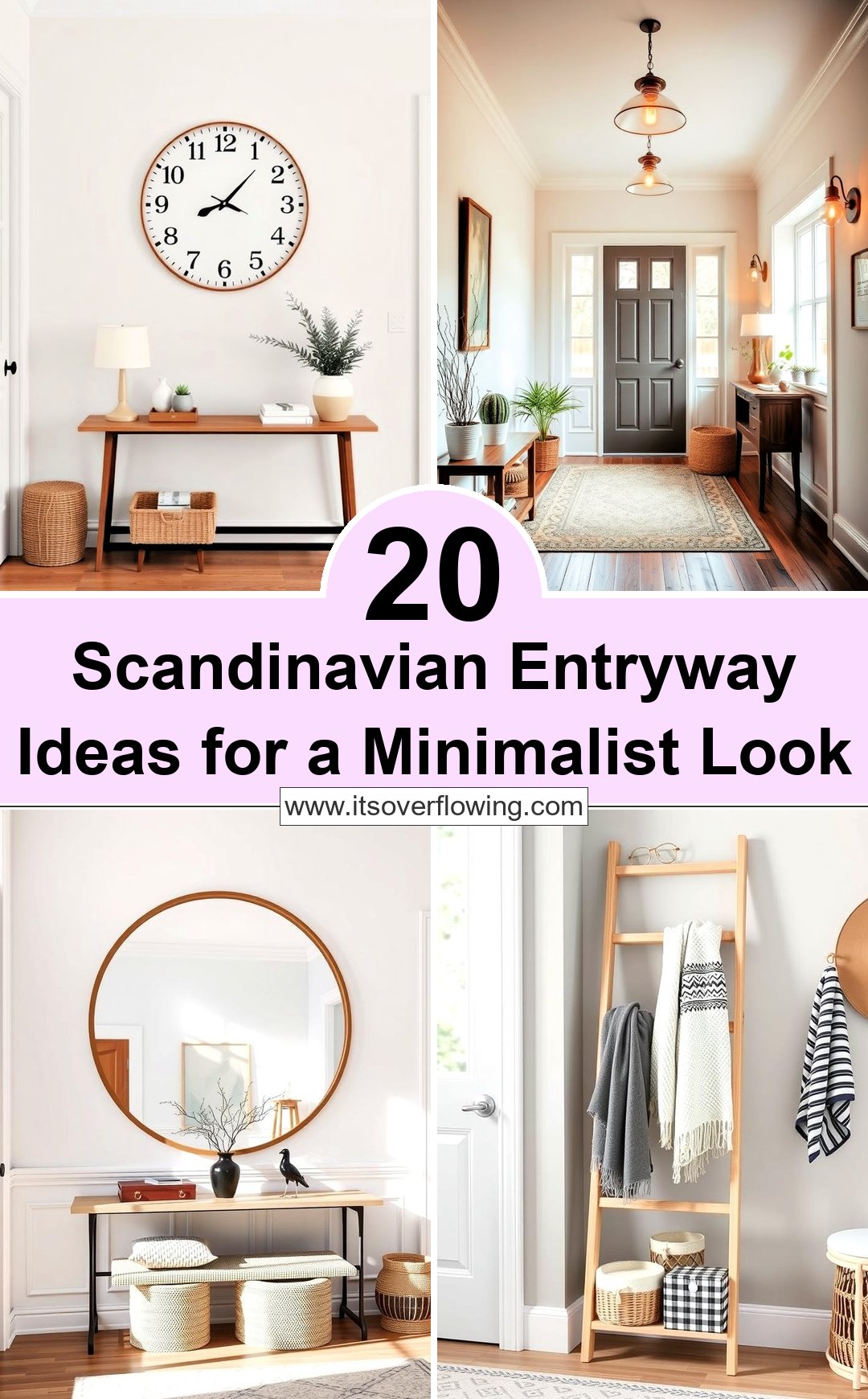
The key elements include a neutral color palette with warm wood accents, plenty of natural light enhanced by mirrors, functional furniture with clean lines, natural materials like wood and wool, minimal decor with a touch of greenery, smart storage solutions to reduce clutter, and layered lighting for ambiance.
How do I make a small entryway look Scandinavian?
Stick to light colors (white, pale gray, beige) to maximize perceived space. Use mirrors to reflect light, choose compact furniture like a narrow bench or slim console, and keep decorations to a minimum—perhaps one plant and a simple mirror. Vertical storage like wall hooks or floating shelves saves floor space. A warm-toned runner can add texture without overwhelming the room.
Can I mix Scandinavian style with other designs?
Yes, Scandinavian design blends well with other aesthetics. For a more rustic feel, add vintage wooden pieces or wool textiles. For a modern twist, incorporate black metal frames or geometric patterns. The key is to maintain a clean, uncluttered base and introduce elements gradually. Avoid heavy or ornate pieces that would disrupt the minimalist harmony.
What colors are best for a Scandinavian entryway?
Whites (like Snow White or Off-White), pale grays, soft beige, and warm wood tones are ideal. Accent colors can include muted blues, sage greens, or dusty rose in small doses. The overall palette should feel light, airy, and calming. Avoid dark or overly bright colors as they can make the space feel cramped or chaotic.
How do I add storage without cluttering the look?
Opt for closed storage, such as a cabinet with doors or drawer organizers. Use baskets with lids to hide smaller items. Install wall hooks instead of a bulky coat rack. A floating shelf with a few essentials can replace a cluttered console table. Label boxes or use matching containers to keep everything uniform. The key is to have a place for everything and to regularly declutter.
Creating a Scandinavian entryway is about embracing simplicity, functionality, and warmth. By incorporating these seven ideas, you’ll craft a space that welcomes you home with calm and style. Start with one change—perhaps a fresh coat of white paint or a new mirror—and build from there. The result will be an entrance that feels both timeless and uniquely yours. Remember, the best design is one that makes you smile every time you step through the door.
